

St Croix Beach Guide
A Narrative Guide to the Beaches of St. Croix
St. Croix doesn’t have just one personality. Unlike its sister islands, the landscape here shifts dramatically from east to west. To know St. Croix is to know its coastline—from the arid, cactus-studded hills of the East End to the lush, rainforest-canopied shores of the West. Spending some time exploring often results in a “favorite” beach and another new “favorite” the next day. Keep exploring and find your beach vibe.
One common element is that at sunset they often have a population of mosquitoes and smaller but more vicious noseeums which are very noticeable a few hours after they bite. Don’t miss incredible sunsets, but do protect yourself for the following day. Keep reading and consider your ideal beach, how the water changes color, how the waves change rhythm, and where you fit into the picture.
Beaches in the USVI are all public, with access being the only limiting factor. In some parts of St. Croix, just parking on the side of the road puts you on the edge of the sand, while others may require a short walk. Businesses on the beach like hotels and groups of subdivided property are required to provide access to the beach, but residents are not, so be mindful of personal property on your way to a public beach.
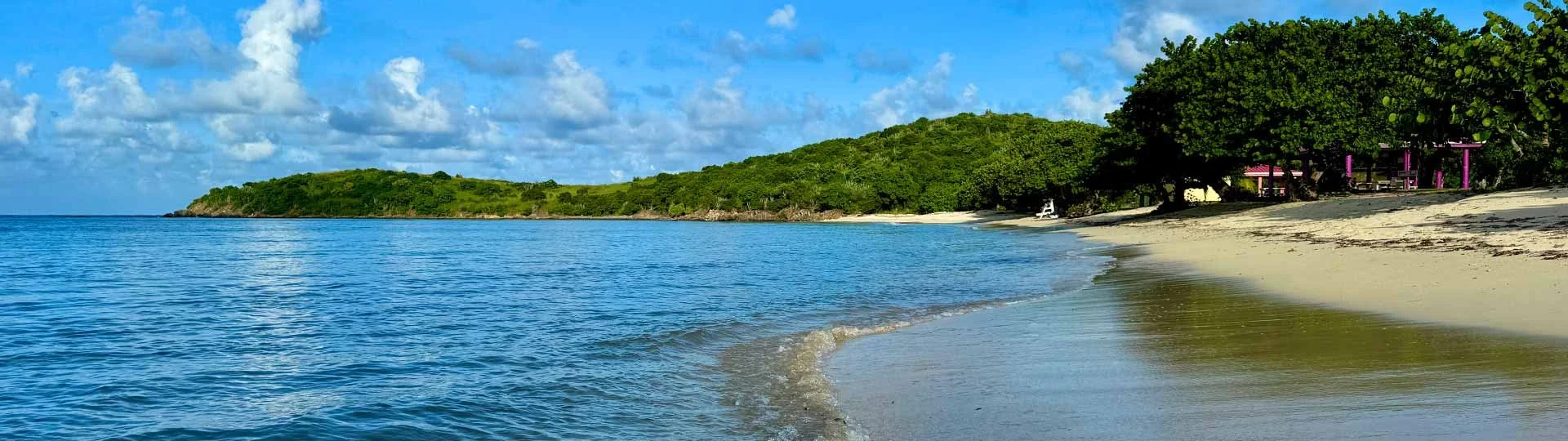
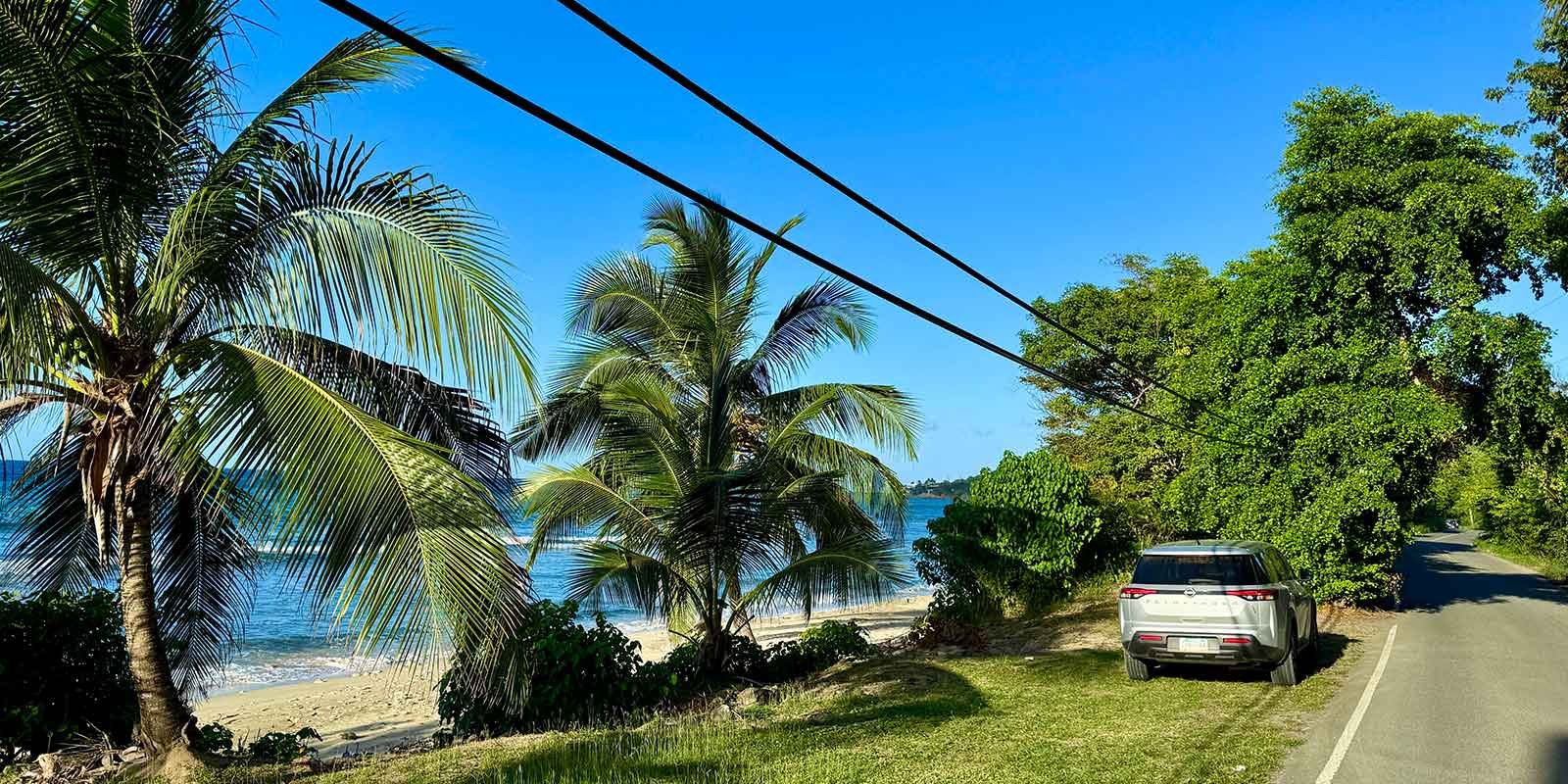
St. Croix is an island, and no matter which direction you go, you’ll eventually reach waterfront. There are many places where you can pull off the road and find that you’re the only person on a section of sandy beach like this one.
Where the sun rises and the solitude deepens.
If you are a seeker of silence, start your journey near Turtle Bluff on the East End. Here, the island feels prehistoric. The vegetation is scrubby and low, beaten back by the constant trade winds, revealing dramatic vistas of deep indigo water. The Jack and Isaac Bay Preserve is protected land, and the experience is worth the hike.
Chapter 1: The Wild and Quiet Public Beaches
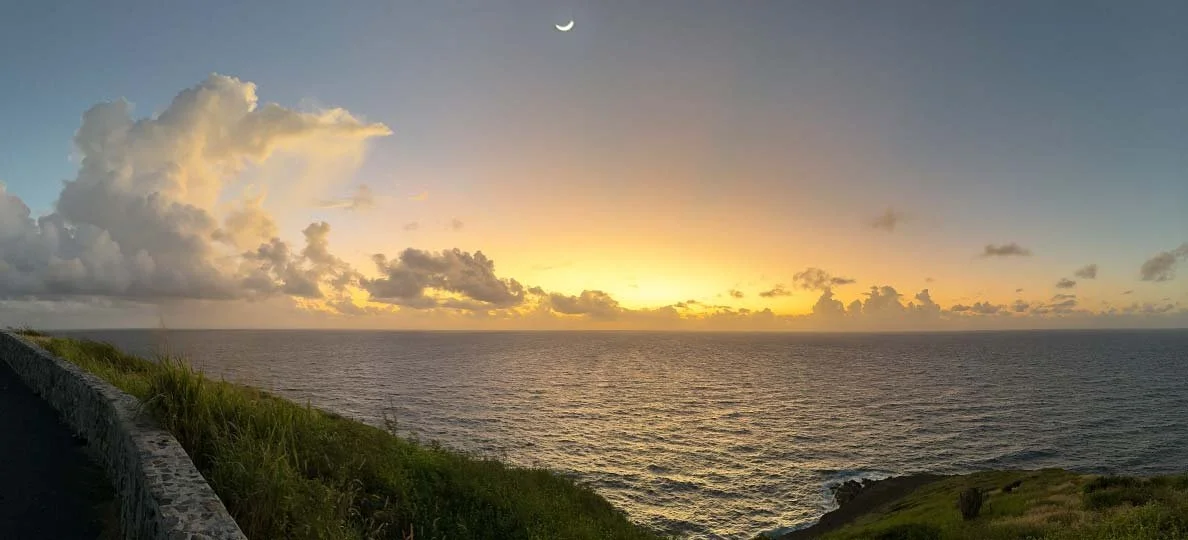
Point Udall is the easternmost point of the United States, and in addition to sunrise at the Millennium Monument there being a bucket-list item for many people, it is also the launch point for the East End preserve and the trail to Isaac Bay and Jack’s Bay. It is both a landmark and a starting point for adventure, which makes it especially appealing for visitors who like scenic overlooks with a little purpose. If you want a classic East End photo stop that also opens the door to a great hike, this is it.
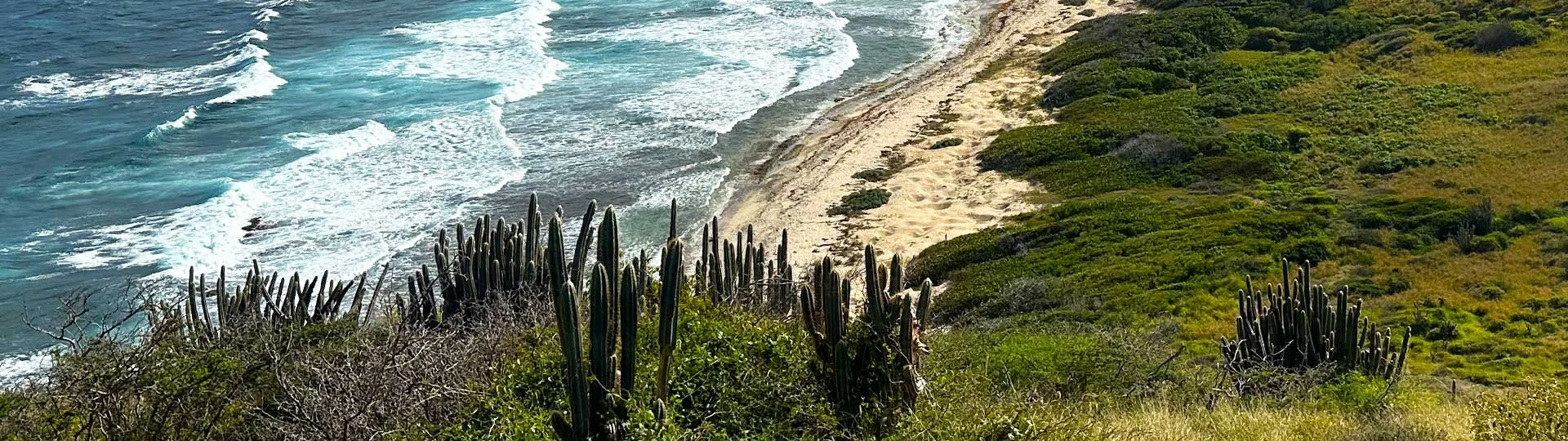
For most of the East End beaches, there are no beach bars and no umbrellas. Just you, the wind, and over 400 species of fish just offshore. These are excellent beaches on which to disconnect. In that spirit, the East End has a number of mobile phone dead spots, so you may truly be disconnected, and perhaps that is a good thing.
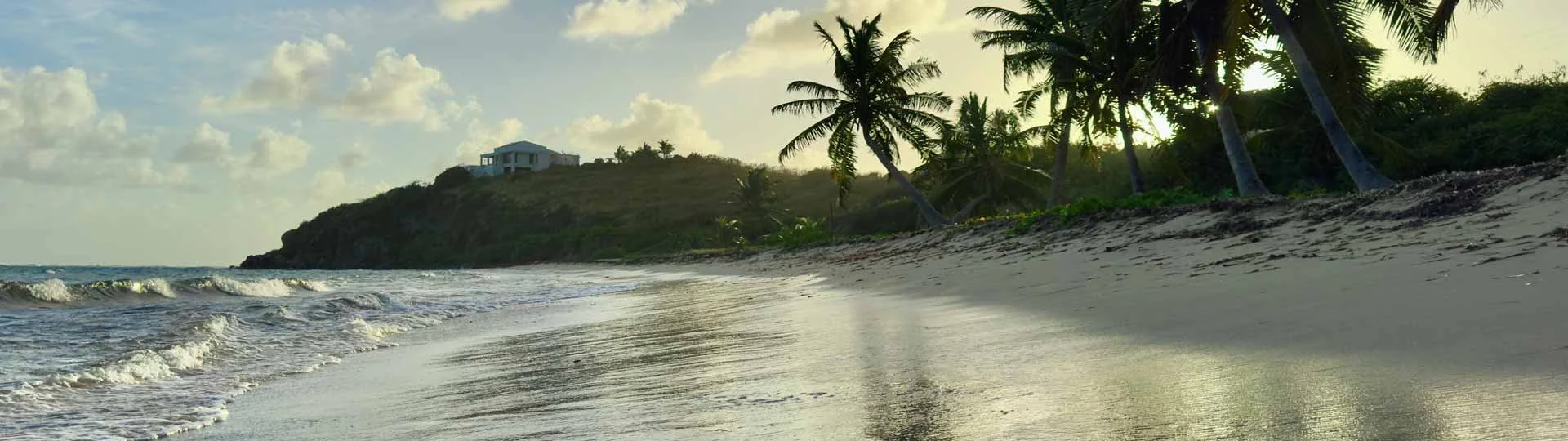
The East End of St Croix is certainly an uncrowded escape where the beaches may all be public, but you may be the only person there. Just a mile from Point Udall, Cramer Park Beach is a full-access destination with light crowds. Beaches with access just off the side of the road are common around the island, including the south east shore.
The Beach at Cramer Park may be the busiest beach on the East End of St Croix, but not on weekdays.
Beaches on the East End of St. Croix
The map below is the eastern 10 miles of St. Croix showing many of the named beaches and with the primary roads enhanced to be easier to see. The south shore road has more level terrain and less sharp turns, while the north shore zig-zags between the hills and the Caribbean Sea.
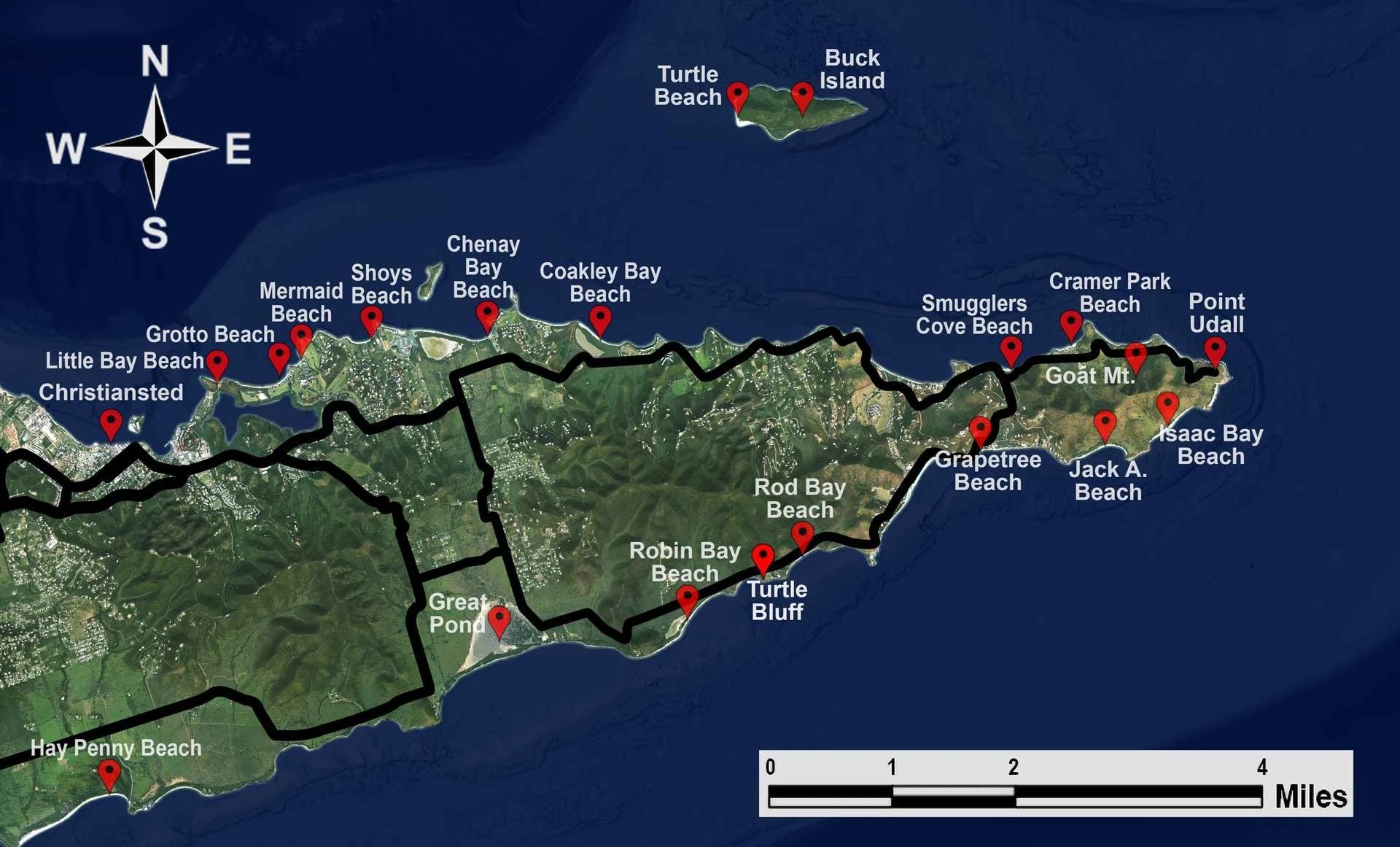
Beaches on the St Croix East End Map
Isaac Bay Beach is one of the standout East End hiking-and-beach combinations. The sources describe it as a beach you reach on foot from the Point Udall area, and once you get there, the payoff is a protected, reef-framed shoreline with a very secluded feel. It is one of the best choices on the island for travelers who enjoy earning the view.
Jack A. Beach, also called Jack’s Bay, is part of the Point Udall trail area and is best known as a more remote East End beach. This beach is also accessible from Grapetree Bay if you’re not planning on visiting both Jack and Isaac Beaches. From Point Udall, this is a good fit for adventurous travelers who want a quieter shoreline. It is less about beach bars and more about scenery, solitude, and the feeling of being far from the crowds.
Grapetree Bay Beach is one of the East End’s scenic beaches with an actual parking lot and a short walk to the water. It’s a beautiful place for swimming with wide-open shoreline views. It is also a short distance to The Grapetree Bay Hotel which allows for facilities and dining options.
Rod Bay Beach requires a 4-wheel drive vehicle or a short walk down an unmarked path from the main road. This is a popular destination for local residents, especially on weekends, and the palm trees there were planted years ago by their families. This is one of many quieter options that appeals to people who appreciate a half-mile of peaceful shoreline experience. It is a nice place to slow down, take in the views, and enjoy the water without much interruption.
Robin Bay Beach was once the inspiration for a massive resort hotel casino plan, but is now a beautiful stretch of beach with an unmarked sandy two-track access from the main road. No palm trees here, but a long stretch of sandy beach with a view of Turtle Bluff across the bay. It is a good scenic stop that feels natural and unhurried.
Hay Penny (or Ha’Penny) Beach is one of the best-kept secrets of St Croix. For anyone who ever claimed to love long walks on deserted beaches, this is your place! At the end of a rough dirt road, this is a favorite of locals as a calm swim destination with quality snorkel opportunity. This is a mile of undeveloped beach with a good width of sand. The beach is on Manchenil Bay, and some folks will connect that with the Manchineel Tree which has potentially fatal fruit and dangerous sap. If you see a mangrove tree with paint on it, stay away.
Little Bay Beach is one of those hidden-feeling St. Croix spots that rewards people who like a more low-key beach day. It is a relatively easy drive just east of Christiansted, and on most weekdays this is a nearly empty beach. The setting is beautiful, the water is inviting, and the whole experience feels relaxed and unforced. It is a great choice for guests who want a quieter beach escape that still feels easy to reach and easy to enjoy.
There are two beaches that have a distinct resort feel and that’s because they are at the Buccaneer Hotel. There is a “facility fee” if you are not staying at the hotel, and lounge chairs and water-sports equipment can be rented if hotel guest demand is met.
Grotto Beach is a longer beach with less activity. More like the other East End beaches, it has some good snorkeling and relaxing opportunities. This beach runs alongside 3 holes of the golf course, so it has some manicured scenery. Beauregard’s is near the east end of the beach and is a nice (pricy?) place to order a quality cocktail.
Mermaid Beach is the more active beach at the Buccaneer, with a water-sports center, beach games, and a more sandy beach. This family-friendly resort-ish beach is one of the East End’s easiest “beautiful and convenient” beach choices, with calm water, resort access, and the kind of setting that works well for swimming and lounging.
Shoys Beach is one of the East End’s best-known quiet stretches, with calm water and good snorkeling. Accessed through the Buccaneer entrance and through the Shoys neighborhood, there is a dedicated parking lot with a unique (and low) tunnel of mangrove trees over the path to the beach. It is tucked into a more private-feeling area, which helps it stay calmer than some of the busier island beaches. For guests who like a peaceful swim and a beach that feels a little more hidden, Shoys is a strong choice. Snorkeling is more impressive near the eastern rocky point.
Chenay Bay Beachis a solid East End option with reef-protected water, snorkeling potential, and the kind of easygoing setting many visitors want on vacation. Bungalows on the Beach is on this beach and there are some facilities and a bar. The sandy beach and pier with a view of Green Cay are a nice combination.
Coakley Bay Beach is another relatively quiet, relaxing beaches in a protected coastal setting. The offshore reef makes the water calmer and the snorkeling better than you might expect from a casual first glance. It is a good place to slow down and enjoy the quieter side of the island.
Smugglers Cove Beach is one of the more tucked-away East End beaches, and perhaps even more isolated than some of the others. It is a less developed spot with snorkeling appeal. It fits the kind of traveler who enjoys beaches that feel a little more secret and a little less polished. That natural, low-key feel is part of its charm.
The beach at Cramer Park is technically Cottongarden Bay Beach, and here you will find facilities, picnic tables, charcoal grills, large gazebos with tables, and a stretch of beautiful beach. This is a more “state park” type of full-access beach. It is a nice choice when you want space, convenience, and an easy beach day without needing much planning. This is one of those St. Croix beaches that works well for families, casual swimmers, and anyone who likes room to spread out.
The Return Home
Staying on the East End works extremely well for so many on a St. Croix vacation: you can spend the day beach-hopping, snorkeling, hiking, and exploring, then return to a secluded luxury home base like Turtle Bluff that feels calm and private. The beaches here are beautiful, but they do not need to be your entire experience, they are the adventure portion of a much larger overall rhythm. That balance of exploration and retreat is what makes the East End feel so special.
Where the wall drops and the adrenaline rises.
As you drive along the North Shore road, the ocean is your constant companion. The water here transitions from turquoise to a profound, mysterious navy blue. This is the edge of the Puerto Rico Trench.
Chapter 2: The Deep Northwest
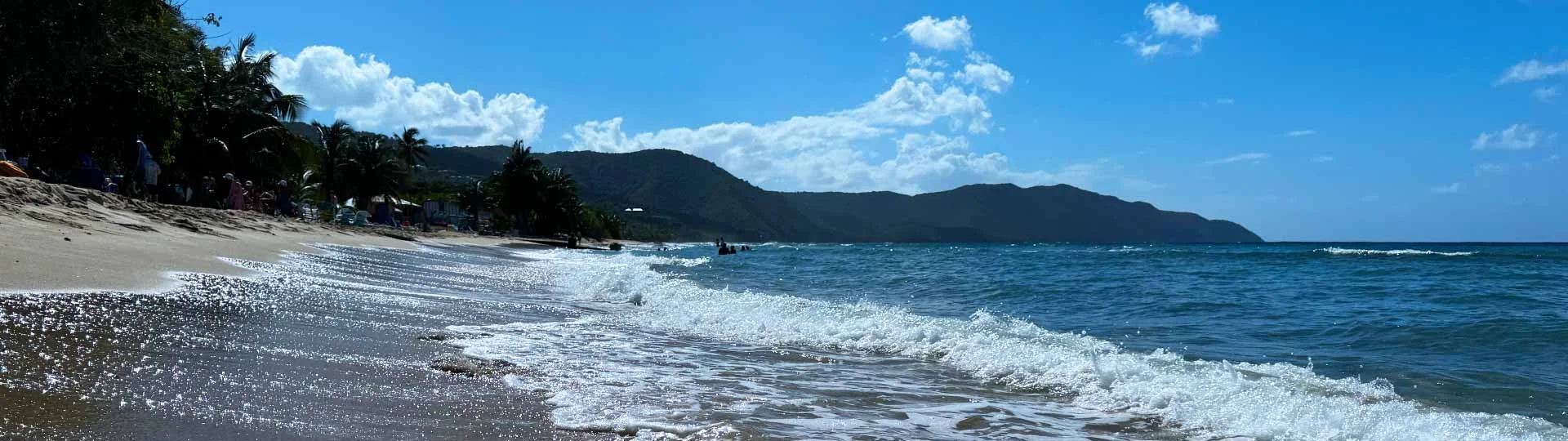
Cane Bay is the heartbeat of the North Shore. It is famous not for the width of its sand, but for what lies beneath. A short swim from the shore, the sea floor vanishes, plunging from 40 feet to thousands of feet deep. This is "The Wall."
Even if you don't dive, you can feel the energy here. It is a social hub. The Landing Beach Bar is across the street and has an incredible beachfront view. Dogs chase coconuts into the surf, and the vibe is unpretentiously communal.
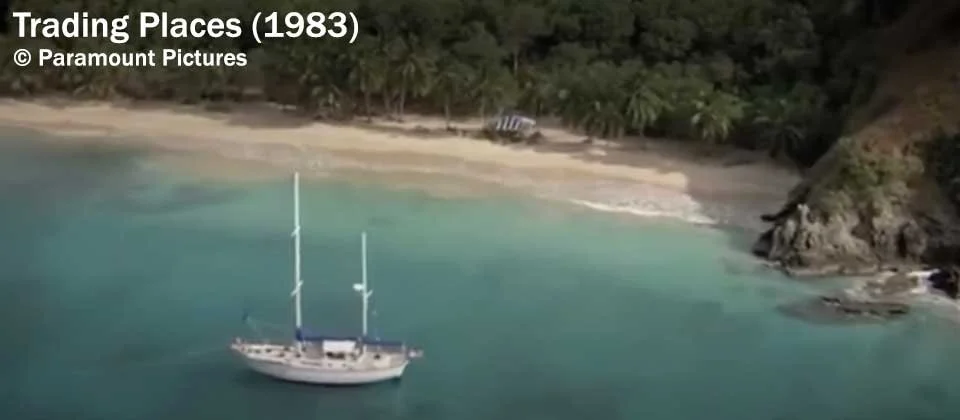
Davis Beach is at the west end of the North Shore Road. It is part of the Carambola Resort, built in the 1986 soon after it was used as the setting for the closing scenes of Trading Places (1983). The resort is closed for renovation with a plan to reopen as Club Med St. Croix in 2027. Flanked by mountains with dense vegetation, it feels wild and isolated and the snorkeling here is excellent. Near the end of the beach you can find a trailhead for a slightly shorter path to the Carambola Tide Pools.
Chapter 3: The Crown Jewel
A pilgrimage to Buck Island.
Looking out from the main island, you will see a turtle-shaped silhouette on the horizon. This is Buck Island Reef National Monument.
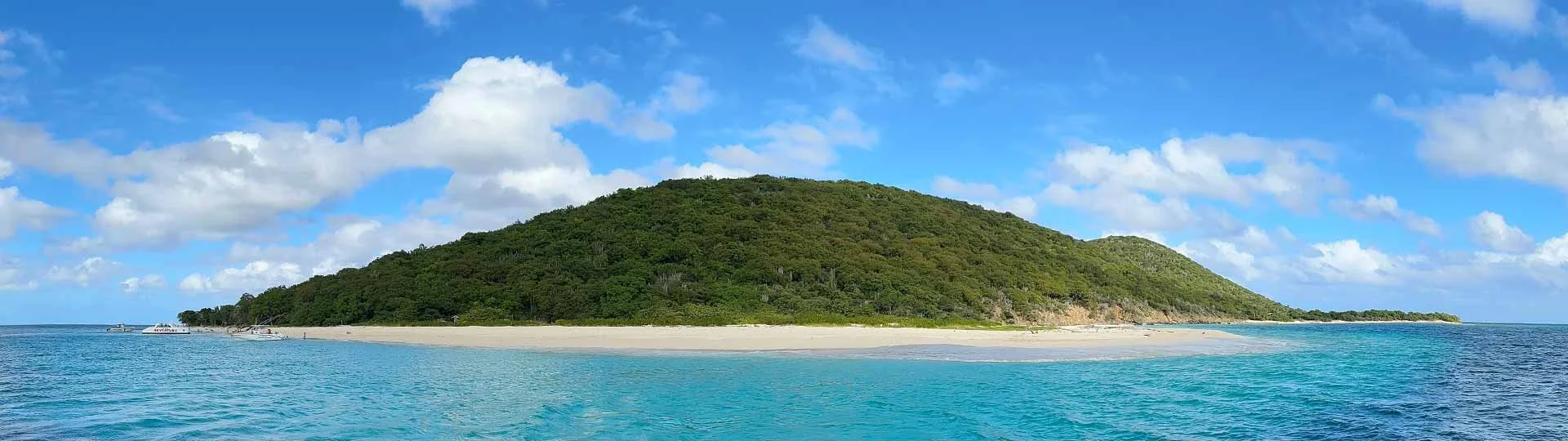
You cannot swim here from shore, and a visit to Buck Island is one of the things every visitor should experience. A boat is necessary, and only certain boats are licensed to anchor here. The journey is part of the adventure. The sand at Turtle Beach is not just sand—it is pulverized coral, white as sugar and soft as flour.
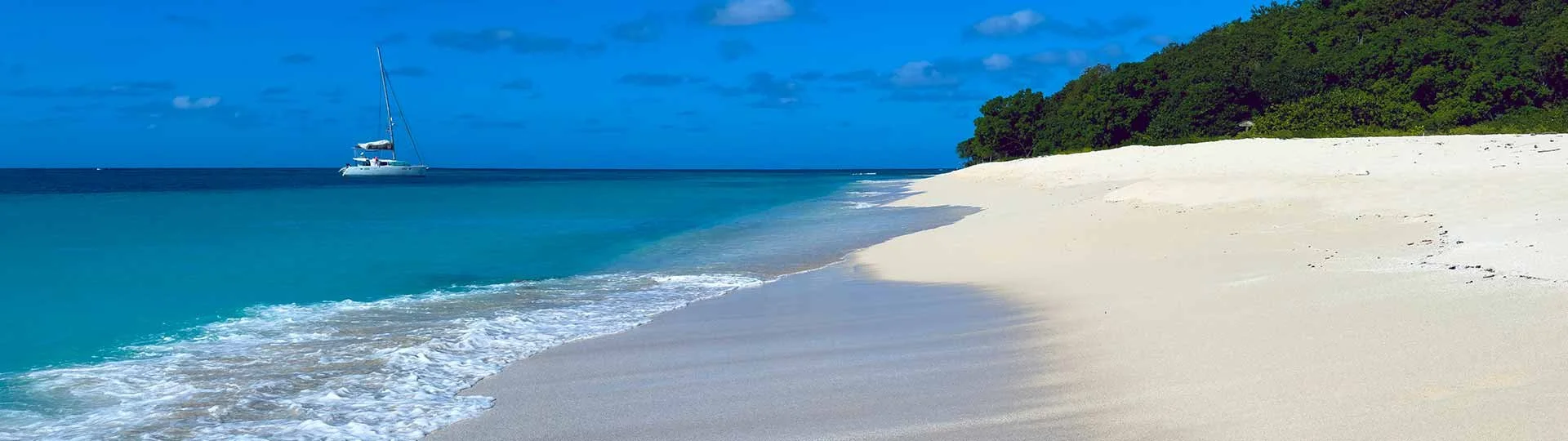
The Experience: Don your mask and follow the underwater snorkeling trail. Massive elkhorn coral formations rise like underwater cathedrals, home to schools of blue tang and parrotfish. It is one of the few places on earth where the underwater world feels more vibrant than the one above.
Chapter 4: The Golden West
Where the sun sets and the music plays.
Cross into Frederiksted, and the world turns golden. The water here is often oddly calm, earning it the nickname "Lake Frederiksted."
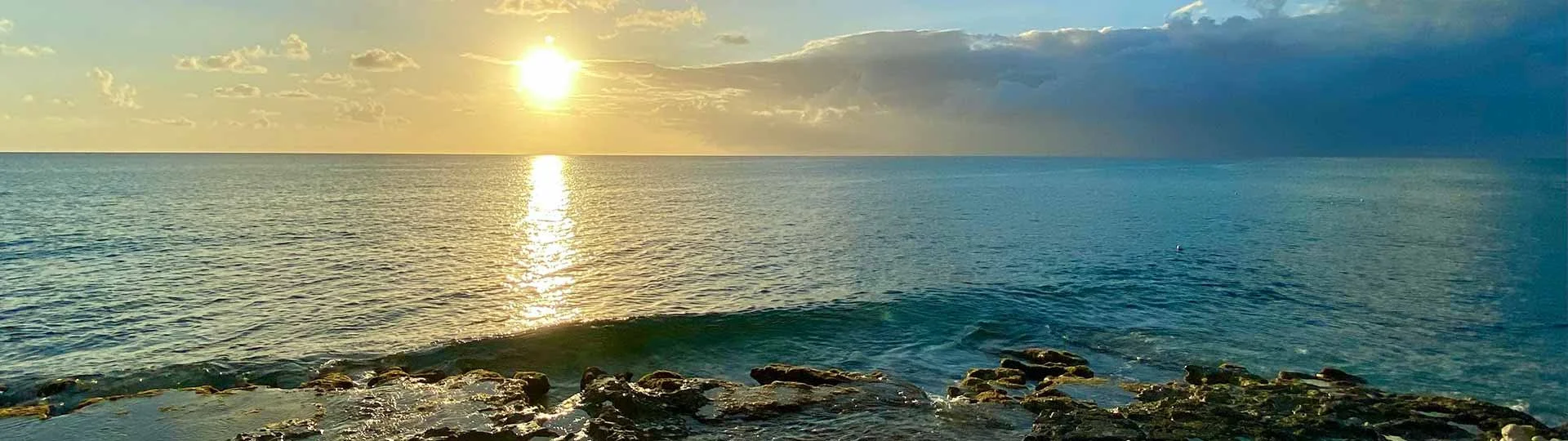
If the East End is for solitude, Rainbow Beach is for celebration. This is where the rhythm of the island lives. On weekends, live Crucian scratch bands or reggae artists provide the soundtrack. The water is shallow and ripples like silk. Rent a jet ski, grab a rum punch, and wait for the Green Flash as the sun dips below the horizon.
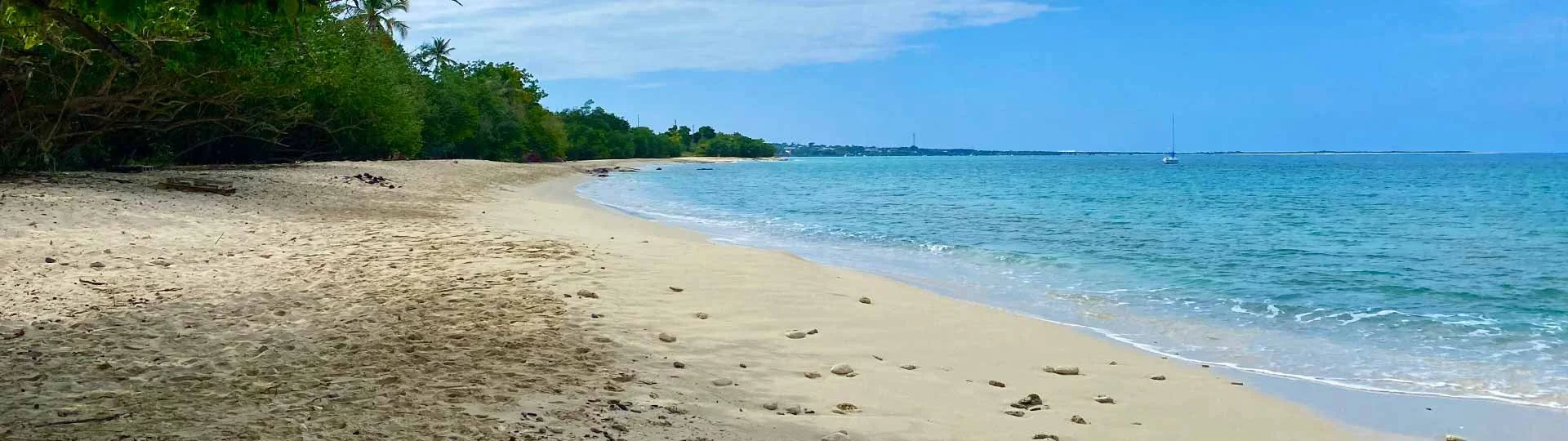
Sandy Point National Wildlife Refuge is open only on weekends (and closed seasonally for turtle nesting), Sandy Point is vast. It is one of the longest stretches of white sand in the Caribbean.
Because it is a protected refuge, there is no development. No buildings, no lights, just miles of pristine nature. The water is a startling shade of electric blue that looks almost photoshopped. Walking here, you feel small in the most magnificent way possible.
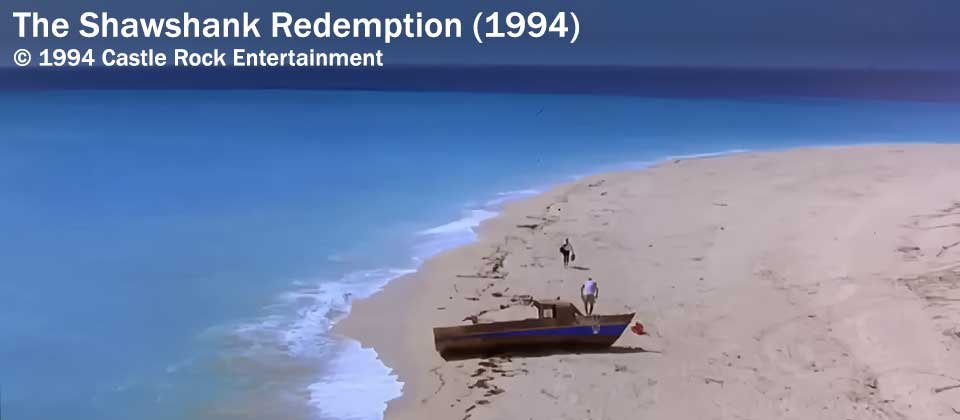
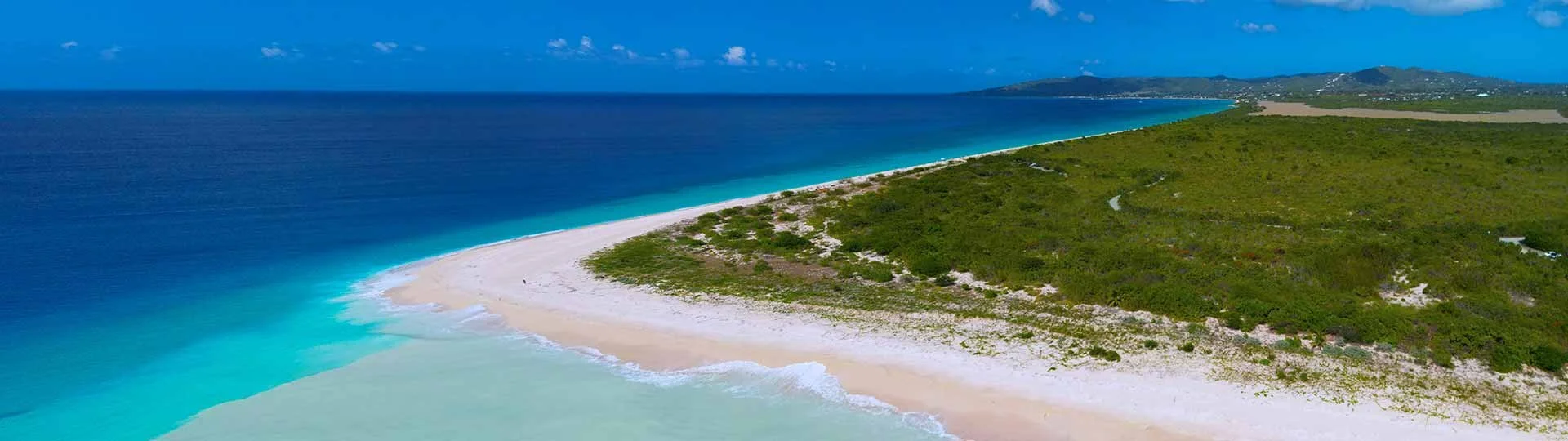
While The Shawshank Redemption leaves viewers believing Andy and Red reunite on a quiet beach along Mexico's Pacific coast, the film's unforgettable final scene was actually filmed at Sandy Point National Wildlife Refuge on St. Croix in the U.S. Virgin Islands. With its powder-soft white sand, dazzling turquoise waters, and miles of untouched shoreline, Sandy Point perfectly captures the feeling of escape and renewal that defines the film's ending. On weekends from September through March, you can walk the same pristine beach where one of cinema's most celebrated reunions was filmed while experiencing the unspoiled beauty that makes St. Croix so special. Beyond its Hollywood connection, Sandy Point is a protected sanctuary where nature takes center stage, inviting travelers to discover a side of the Caribbean that remains wild, peaceful, and remarkably authentic.
Lists of Top Beaches and Best Beaches on St Croix
There are many “top 10 beaches” lists, though some of the best spots on the island aren’t actually named beaches, but somewhere you pull over and plunk down a beach chair (Picture is specifically related.)
It is best to explore a number of beaches and create your own favorites list. To get you started, here are some other folks opinions on their “List of Best St Croix Beaches”:
GoToStCroix.com - St. Croix Beach Guide
MyStCroix.vi - St. Croix Beaches Guide
USVI Tourism - Top 5 Beaches on St. Croix
She Saves She Travels - 16 Best Beaches in St. Croix
Wanderlog - The 46 Best Beach Spots in St. Croix
Jordan Outside - St. Croix Beaches & Snorkeling
Everything Virgin Islands - Hidden Beaches of the USVI